and if you prefer podcast format…
That Kind of Movie
If you are going to document something, it means to faithfully represent what is/was there, so that it can be shared and understood. What happens when you document what has happened and you leave portions out of that documentary effort, is that you become a part of erasure. And it can happen so innocently. You may not want to impact someone’s reputation, for example. Or you need to keep someone on the record, so it means possibly that you have to exclude someone else…because they have beef with one another. People can lose their livelihood, often unbeknownst to them, for being involved in documenting the truth of what’s transpired around a certain issue. Moneyed interests can influence one’s decision or an organization’s choice to be a part of accurately documenting history as well as contemporary (right now!) events.
I guess what’s wild to me is that from day one of starting on my first documentary about exposing truths (in 2015)…I keep learning how you can’t tell the whole truth. Not in the kind of society that we have all agreed to live in. Call it an affectation of so-called “polite society” perhaps…or call it fear. Call it pragmatism. I’d say that our society is designed as a place for people to hide from the truth. I am not saying it happens on purpose. I don’t think it’s intentional. I think instead that we unconsciously seek to protect ourselves and so sleepily design a world of mattresses where we can take naps while it all falls apart around us. We’d rather not know…I mean…don’t interrupt our Netflix.
The bottomline line is that it’s difficult to say the whole damn thing and that’s frustrating as hell. The only way to have a pure documentary film or podcast is to interview people, and to be the kind of person, where your employment has no strings to the topic…where you won’t lose any friends for your honest words, where people are willing to put it all out there because they have stopped sleeping.
In every case, a conservation documentary hinges on the same tired premise; Money corrupts absolutely. There are many ways to effectively tell that story…which I don’t think we’ve seen yet. I want to find one of them, and put it to good use.
In this podcast, but especially when it comes to the movie…I want to really do something different with this film about the Iowa Prairie. I want to take a lot of creative directions that I have never attempted. I currently live in what is most likely the most environmentally degraded and abused landmass in the entire USA. But hardly anyone realizes it yet. Few understand just how bad it is here and what it means for the future. I have made some wonderful documentary pieces. I wouldn’t change a thing about them. But this one? Iowa needs a movie that makes the audience think “I can’t believe he just said that…and it was true” I am hoping that I can find enough people in the state who are willing to tell it like it is. Because a documentary without a community and without people who risk…isn’t one that makes an impact. And Iowa NEEDS an impact. I hope for a creation that leaves an indelible impression.
Anywho…here is Podcast Episode #2
Dusting off the Cobwebs
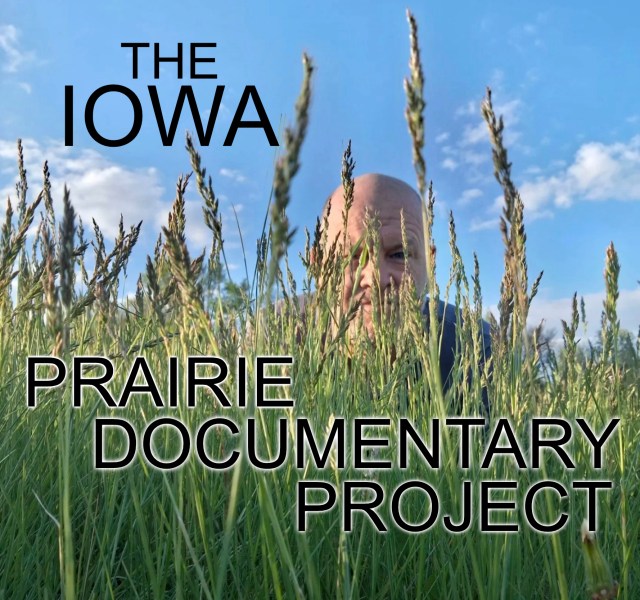
Today I was out capturing potential “soundbeds” for the podcast and also testing a new mic I bought for interviews for the movie (The Iowa Prairie Documentary Project). Grabbed a couple of pics of this lovely stretch of land that Iowa City is allowing to grow back. There’s a really nice stand of Bluestem there. Some were 8′ tall! Also had a visitor on my mic. And grabbed a nice shot of a bumbler on what I think is called Carduus acanthoides?


A Fallow Field is…
So today was interesting. Make that HOT and interesting. I think it was about 95 in Fairfield Iowa today when I left there in the mid afternoon. Ugh lol. I mark today as the first official day of serious research for the Iowa Prairie Documentary Project. I drove the one hour and change from my home in Iowa City to Fairfield and marveled at the endless rows of corn. I mean…I can’t say enough about how much land here is ruled by corn. It’s really bonkers to me to see all this land under the dominion of a single crop…a practice that any farmer knows breaks the land. I’m not a farmer and even I know it. You can simply look out at any non farmed piece of Earth and see that nature has a different set of rules, a different kind of design. Diversity is nature’s design because it’s what works. And here we are, trying to force dollars out of the ground against all logic, using more and more fertilizer like amphetamines to resurrect the tired and overworked soil.
One of my favorite quotes of all time is this: “A Fallow Field Is A Crime Against The Land” I thought it was a direct quote from Steinbeck’s book “Grapes of Wrath”, but it seems it is not. I can’t find where I discovered that exact quote, but what it meant to me was quite poignant. For me it meant (please note the past tense usage) that the land was the victim. The land was suffering, because it wasn’t under the command of what people wanted. It meant that not growing food is wrong. Not making the land productive is wrong. As a young person I strongly identified with this mandate…that it’s our right to put the land to our designs however we see fit. In my mind, we didn’t have to justify it. That began to drastically change when I became an outdoorsy hippie in my twenties.
Now, to me, a monoculture field is a type of crime against the land. And a fallow field is a chance at recovery. A fallow field never to be plowed again is a chance at redemption, to undo the harm that’s been done. Not in all cases mind you, but compared to King Corn, yes.
I am 53 years old ya’ll…and if you had told me even 2 years ago that I’d be writing this down this post in an Amish town’s (Kalona, IA) coffee house, after returning from Fairfield where I toured 2 different restored prairies…I would have quite simply said “but I will never live in the midwest, so that’s impossible”
Today was wild though. I learned so so much about what is happening with restored prairie. I met with folks, who between the 7 of them, possess over 100 years of combined prairie restoration know how. I got my first glimpse of actual restored prairie, got to walk barefoot along the firebreak pathways…oh…and now I know what a firebreak is. It would be too cumbersome to recount everything that I gleaned from these folks. And I won’t have to, because at least one of them is going to tell us in her own words…I am returning next weekend; one of them has agreed to commit to an interview for the Iowa Prairie Documentary Project Podcast. And three of the others I met are pondering doing the same a little bit further down the road.
Stay tuned for that interview. And if you’d like to listen to Episode One, which is me talking about my motivations and influences that led to the beginning of this project, that was released yesterday. Currently I believe it’s only on the main Simplecast site…not quite filtered down to Spotify and the others yet. Click on the pic to listen.
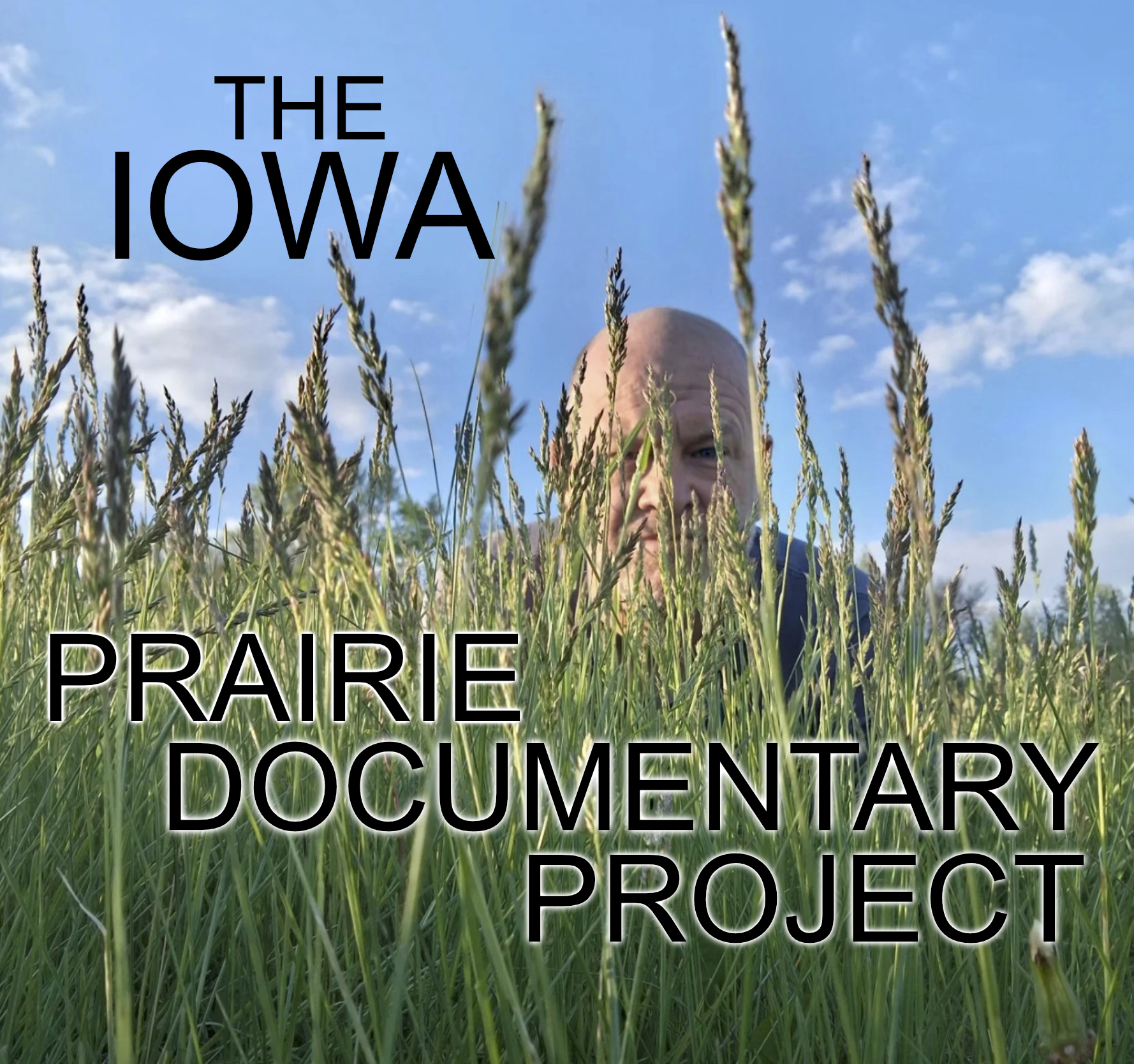
And finally here’s two pics I took today…


Winding Up…for the Prairie!
Yep, I know I have a lot going on. My hands are full already with releasing weekly episodes of my podcast, lining up screenings for a movie about how Russia is ravaging Kherson, Ukraine with drone warfare…and just you know…working for a living and trying to keep my head above all the challenging things happening around the world right now.
But…ever since I arrived in Iowa, literally…I fell in love with the history of the prairie. I’ve also been learning a lot about the dismal water quality situation here. And more recently the cancer rates as it likely relates to agricultural practices.
I
And so…I am just starting the process of creating a documentary series (podcast and film formats) about the history of Iowa’s prairies. I plan on focussing on the changes primarily from just before pre settlement to current circumstances, how those changes have impacted water quality, species, etc. I mean…that’s a wildly brief summary but it gives you an idea of where I am coming from.
If you live in Iowa…
I am hoping to connect with people who might fit into some of the following categories:
1- interested in being recorded while talking about their knowledge of prairie flora and fauna…with a perspective on how things have changed over the last 175 years.
2- don’t want to be recorded but are happy to talk about it off the record.
3- folks who can tell me where I should be filming to best capture existing prairie that never went under the plow
4-you know who I should talk to…if not you

5-you have drone footage or photos that you think would help tell the story.
If you are interested at all in helping, or asking me questions about the project, feel free to DM me. Forewarning: I am 53 years old and prone to actually talking on the phone as opposed to lots of messaging haha!

Podcast Launch!

Hmmm…I thought I would have more BIG things to say but you know…it’s already been said, in the podcast and the video. It’s all there and ready for your ears and eyes.
I guess the most important thing I can say is who the intended audience is for this broadcast.
Oh that’s an easy one.
It’s humans.
We all have parents.
We all are of a nature to die someday and we are also going to be faced with taking care of loved ones as they die.
All of us know someone who has had cancer.
Increasingly we all at least know someone who knows someone with dementia.
We all went through the pandemic.
A lot of us grew up with at least one parent who gave us plenty to talk about in therapy.
What can I say lol…this podcast is a one stop shopping trip for humanity in the modern world…it’s Us At Our Worst.
Share. Listen. Watch. Enjoy. New episodes every Friday until I finish the book.
iHeart Radio:
Apple:
https://podcasts.apple.com/…/us-at-our-worst/id1820334579
Simplecast:
https://us-at-worst-372bb0ec.simplecast.com
Youtube (to watch or listen):
https://www.youtube.com/@UsAtOurWorstPodcast
Spotify:
HDR eh? Interesting stuff…
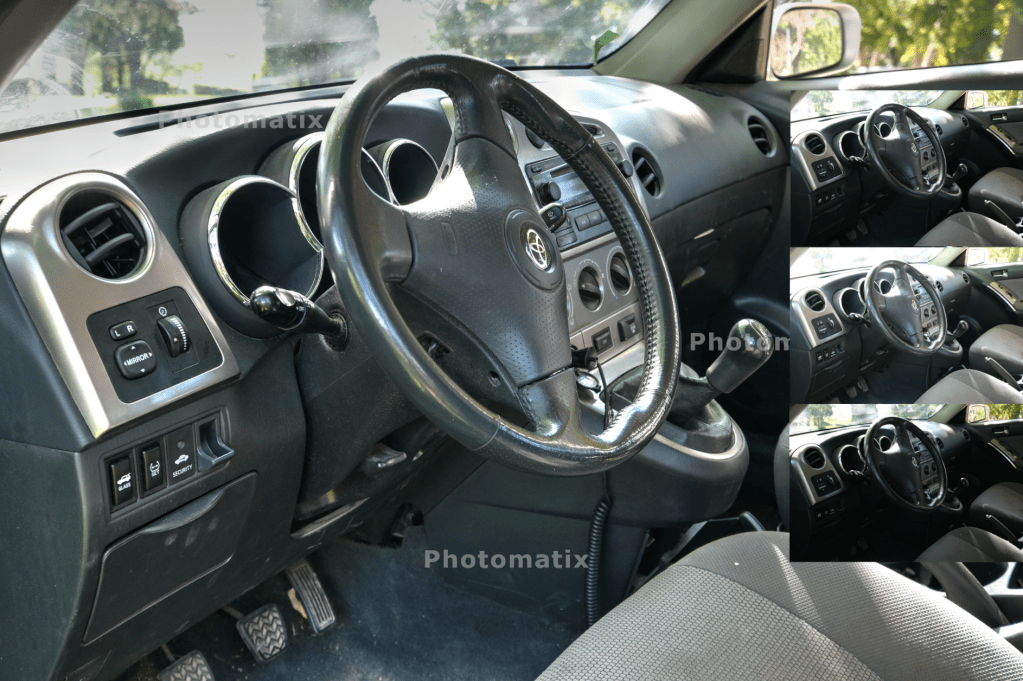
I have done photography for a pretty long time, starting back in 2008. But I never ventured into HDR and photo bracketing. I was usually taking images of things in nature that were constantly in motion. But anywho…I have a new gig where I will be shooting stationary objects. And since I am anti-Adobe I am going to be using Photomatix Pro for my HDR merging. Today I was using the free version to test it out. It’s pretty amazing to work with. It totally changes the way you think about photos, setting them up, establishing what bracketing/exposure ranges work.
This is just one test shot I took of my car. One click of the button, 3 bracketed shots, one merged image in the software with some tinkering. I mean…it’s rough still but for a quick experiment, quite a lot of fun.
Dementia Presentation!
Yesterday I gave a presentation to an audience of about 35 employees at Oaknoll Retirement Residence.
The topics I was invited to speak on?:
-my time as a full time live in caregiver for my mom as she died from cancer and dementia
-her art, that she somehow managed to create while under those circumstances
I consider it the first of many such talks I hope to give on this important matter. Caregivers need a voice. On that note I give a big shoutout to Kamaryn and Lindsey (both staff at Oaknoll) for being so progressive in their approach to community and the care of those who need it.

Concussions and Premieres
The brain does so many things. It works so well that our experiences of sound, light, balance, thought, motor skills and feelings are seamless. That’s by design. It’s astonishing how much we take for granted.
I learned this the hard way on June 23rd, 2024 when a car hit my stopped car. They were going about 25 mph. Simply put, my car stopped their car because I kept my foot on the brake of mine when I saw them speeding towards me without slowing down. It bent the frame of my car, airbags deployed…and I swear that I felt my brain smack into the back of my cranium right after my skull whipped backwards into the headrest of the driver’s seat.
Over the last month I have learned what it’s like:
- to not be able to walk in a straight line.
- to not be able to keep my balance.
- to have headaches nearly every hour of the day.
- to have my left eye no longer tracking correctly with my right eye.
- to have my mind not know how to set the volume on sound, so it was all too loud.
- to become afraid of sunlight and pretty much all projected light because it hurts to view.
- to live like a vampire in the dark for a full week, only going out at night when the sun was down.
- to forget conversations right after they happened and who I even spoke with.
- to wonder if all these symptoms will become a part of my life moving forward as my new norm.
I also learned about cutting edge treatments for severe concussions. Within a week of my accident I learned about a clinic near my home in Iowa City. It’s a humble practice. They don’t brag about what they do. But wow, what they do is amazing. And getting access to treatment right after a concussion is definitely the way to go about it. I am so lucky that I live near the facility and that I knew about it. No one locally told me about it. Not the Emergency docs after my two visits. It was a friend on the East Coast who had heard about “Dr. Fitz”. Syntonic Light Therapy…holy shit. I literally walked in wincing in pain, off balance, blocking out light and sounds, a mess…and after my first SLT treatment I experienced immediate relief. The thing is that they didn’t tell me a thing. Not one. There was no planting of ideas. They literally were like “we’re going to stick you in this room now and show you some light…hang out for a bit til we return”. The point being, they didn’t set me up with preconceived ideas of how to feel after the treatment. They only asked afterwards. And when I walked out and had my balance and the sun wasn’t like a laser into my brain pain centers…I was amazed.
That isn’t to say that this was without frustrations, plenty of setbacks and fears of not getting better. That first treatment lasted for about 3 hours til the symptoms returned. My brain needed time to heal. My accident was on June 23 and I only was cleared to drive late last week. I have had moments of feeling like I was totally fine…for a few hours. Thinking I was done. Then crushing headaches and memory loss and 3 hour naps and fatigue for whole days. It’s not a linear healing track. It’s not like a broken bone. Concussion healing is absolutely nonsensical and not predictable. Again and again I would be tricked by feeling good for a few hours, only to be thrown back under the wheels again.
I am writing today because I have felt good for 3 days in a row…a first in the whole month. I am still taking everything slowly but it’s amazing to feel this normal again. I still can’t work full time. I don’t have that kind of energy yet. Oh…I lost a steady job I had landed, unfortunately. Too much time missed due to the concussion. Luckily I do have some sweet part time work irons in the fire that I hope work out. I will be easing back into the working world slowly for sure.
I have been very lucky to have my son to drive me places and support from both of my kids and friendly check in calls from friends and family around the world. Good stuff.
I think (I hope) that I am getting back to real recovery now. I will even remember that I posted this blog writing lol!
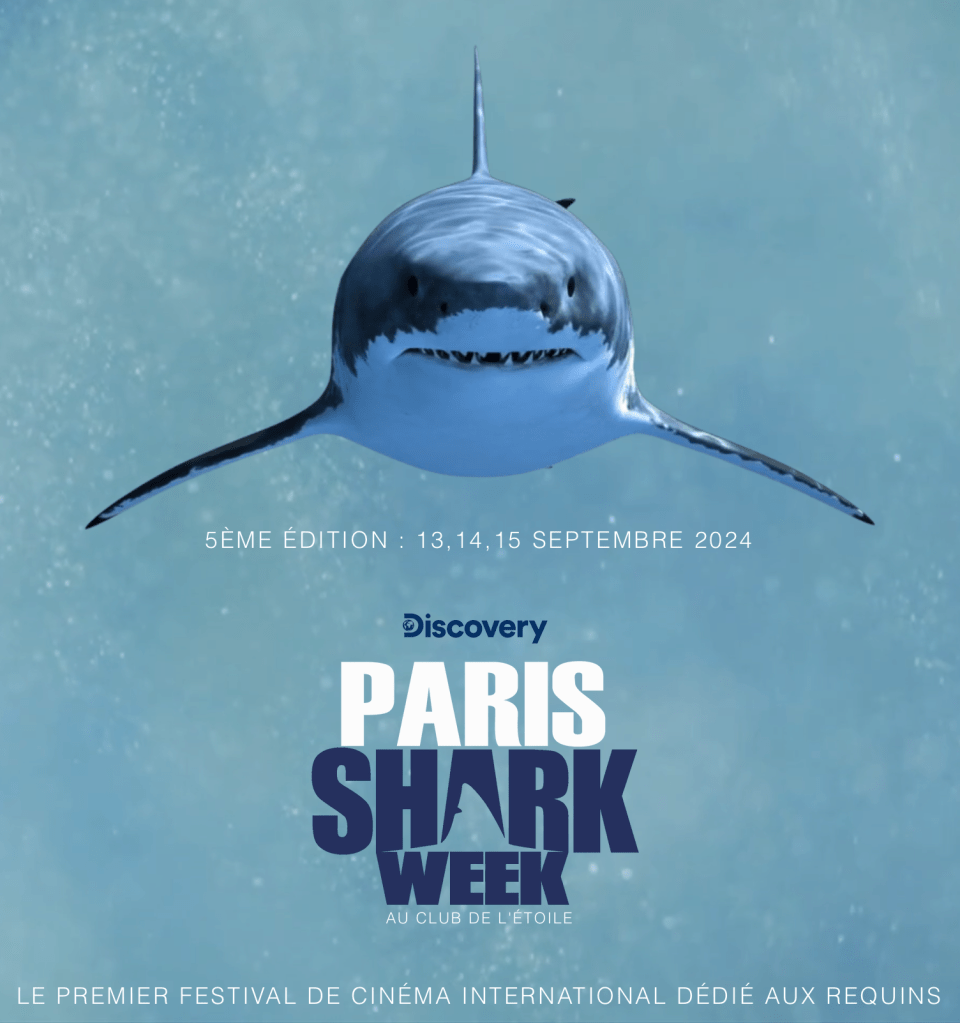
Meanwhile…The Last Shark premiered online on youtube. In 12 days this movie has received 21,000 views. With a marketing budget of zero. Not too shabby. It also screened on TV in South Africa to the tune of 158K viewers. Again…well done to everyone who made this happen.
And below is a hint of the European Premiere to come!

The Last Shark on Youtube
Finally ready to watch for free!

